
Ideas to Reality
Where the next generation
designs for the real world.
We connect emerging architects, designers and creators with real land, real projects and real commercial constraints — giving promising ideas a path from concept toward execution.
Why this exists
Great ideas need a real
place to be tested.
Students learn to design. Professionals learn to deliver. The distance between the two is where the most valuable learning is usually lost — and where we think we can be useful.
We sit in the gap between the two
How it works
A live brief.
A real site.
A real opportunity.
An institution's studio works against an actual Nuovomondo brief on actual land, with the same constraints our own teams work under. Concepts are reviewed by people running live projects.
Selection depends on feasibility, commercial viability, approvals and project requirements. Nothing here is a promise that a concept will be built.
What students get
More than a
studio project.
The brief is not “design something beautiful.” It is design something that can actually work — which is a different and harder question.
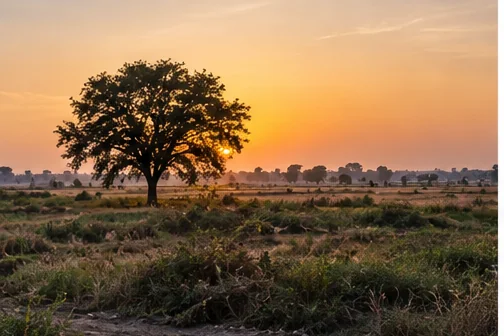
Real sites
Design against actual land, actual orientation, actual access and actual neighbours — not a hypothetical rectangle.
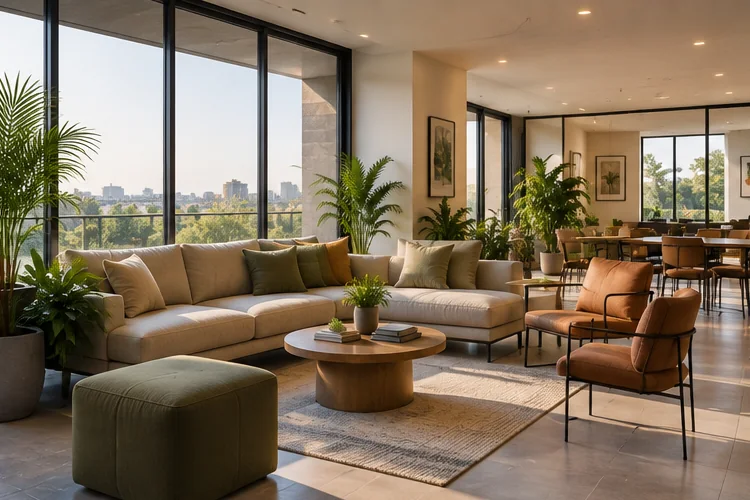
Real users
Understand who will live, stay, work or gather in the space, and what they will actually pay for.
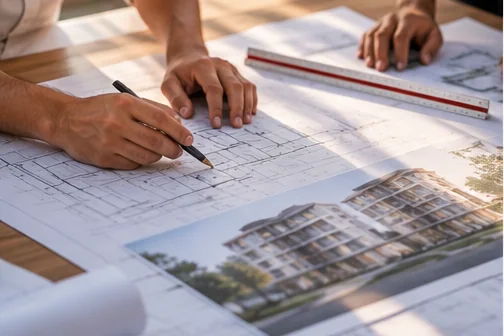
Commercial thinking
Learn how a design decision moves cost, demand, revenue and positioning — and which decisions quietly kill a project.
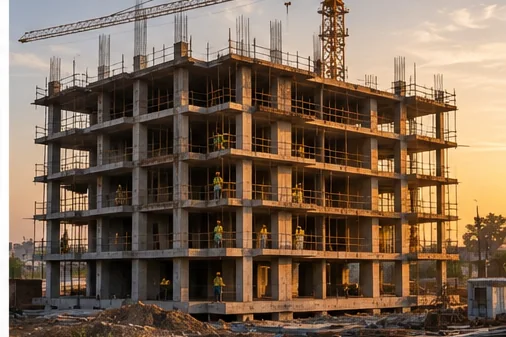
Development thinking
Planning, approvals, construction sequence, operations and handover — what happens after the drawing is signed.
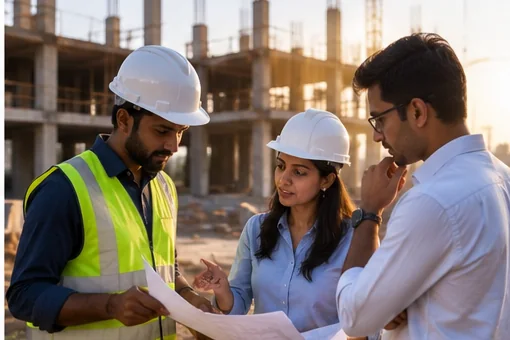
Professional review
Feedback from people working on active projects, given the way it would be given in practice.
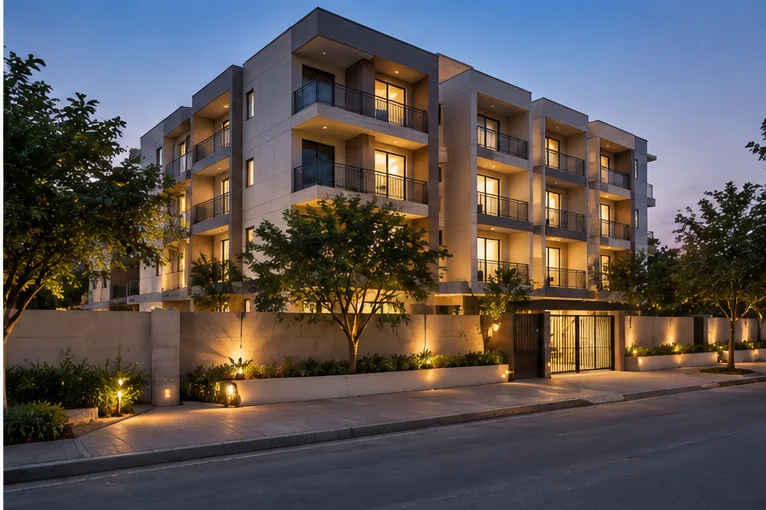
A path to reality
Exceptional concepts may be considered for further development. Rare, but real — and the possibility changes how you design.
Design with consequences
Disciplines
Different disciplines.
One real brief.
A place is not made by architecture alone. The same brief can be answered from several directions at once, which is closer to how a real project actually runs.
Discuss a collaboration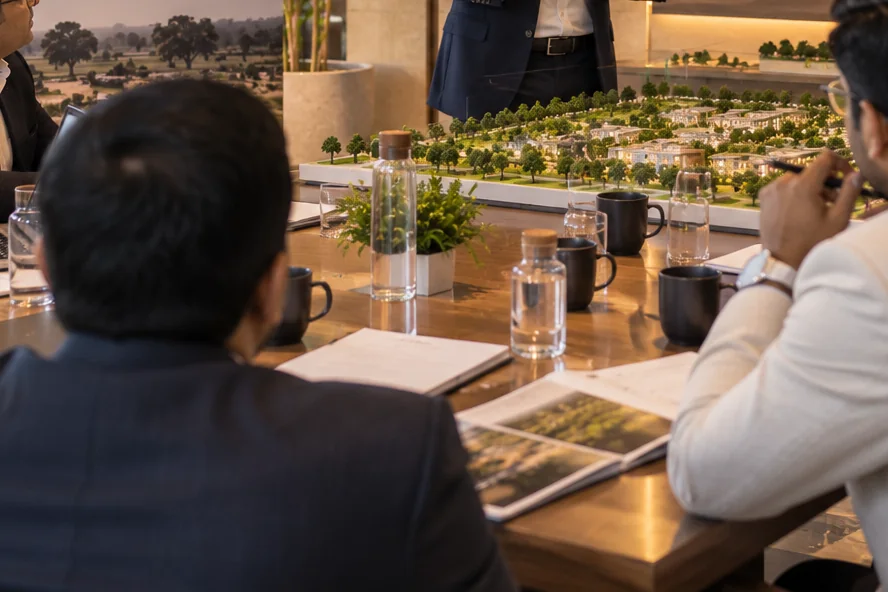
Live briefs
The next brief
begins with the land.
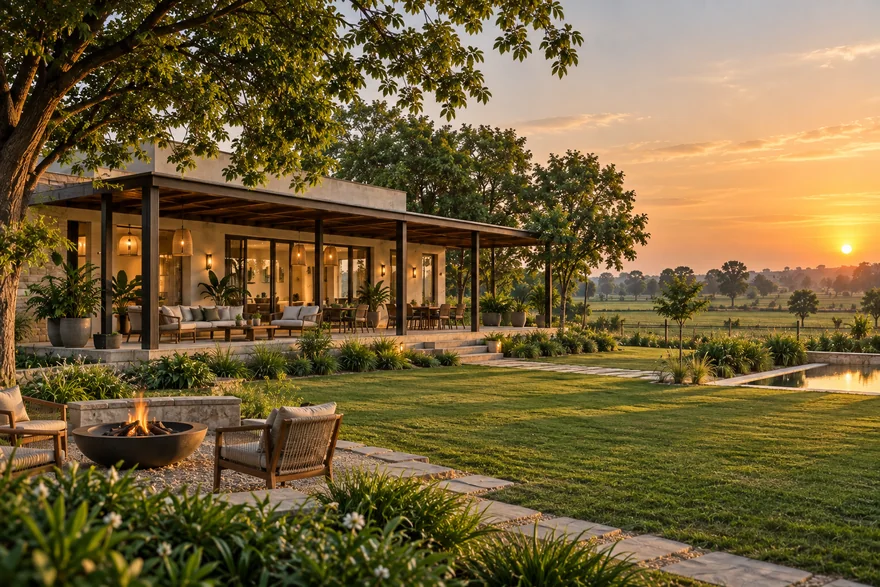
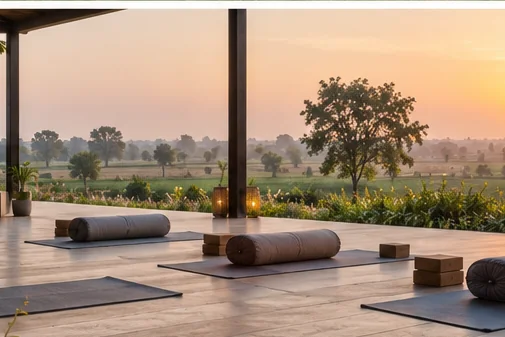
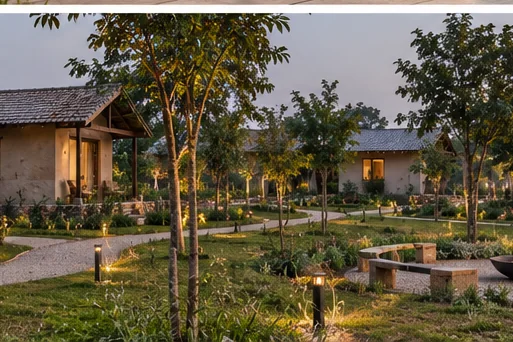
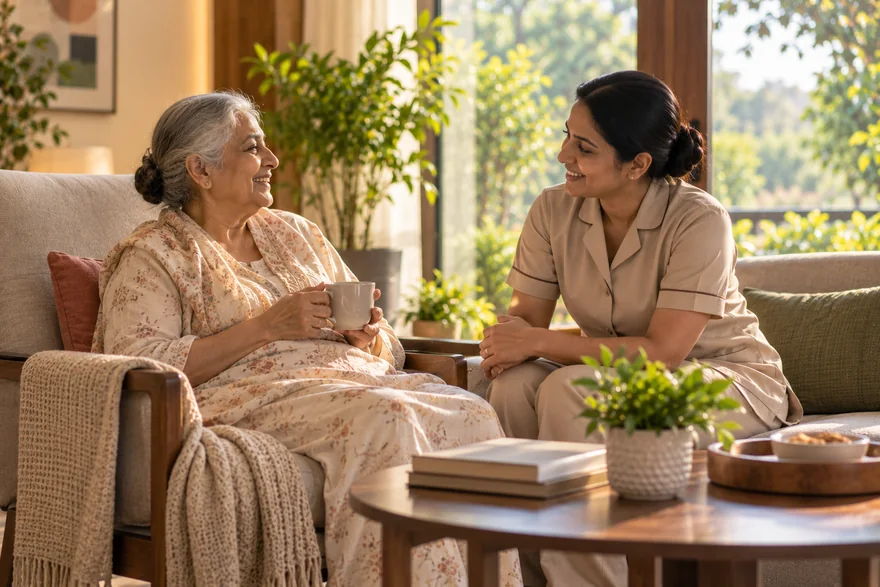
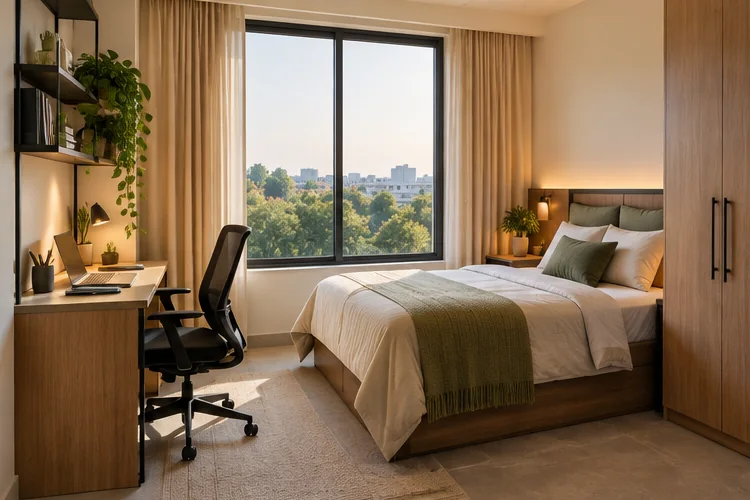
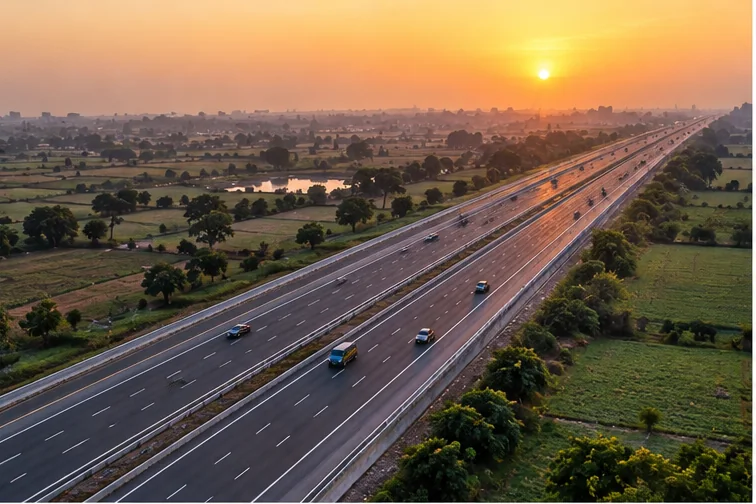
As we develop new land and experiential projects, studios can work against real development opportunities. These are the questions currently open.
The questions we ask
Design something
that can actually work.
Every concept that comes to us is read against the same seven questions. They are not academic questions. They are the ones that decide whether anything gets built.
From concept to development
When a concept has
potential, we take it further.
Most concepts stay concepts, and that is fine — the learning is in the work. A few go further, and those become the interesting ones.
Student teams develop concepts around the live brief, on real site information and real constraints.
We evaluate design, user experience, feasibility and commercial thinking, and say plainly what works and what does not.
Selected ideas may be refined with professional teams — architects, contractors and operators.
Where commercially and technically viable, a concept can progress toward implementation.
Selected concepts may be taken forward for professional development and potential implementation, subject to feasibility, commercial viability, approvals and project requirements. Authorship and credit are agreed in writing before any concept moves beyond review.
A two-way partnership
Built together
with institutions.
This only works if it is worth the institution's time. It is not a route to free design work, and we would not want it to become one.
The institution gets
- Live project briefs from an active developer
- Industry exposure for students and faculty
- Faculty–industry interaction on real work
- Portfolio-quality outcomes for students
- Project showcases and shared publication
Students get
- Real constraints instead of assumed ones
- Commercial understanding alongside design
- Professional feedback on their thinking
- Work worth showing to an employer
- A possible path to implementation
Nuovomondo gets
- Ideas we would not have arrived at ourselves
- Design thinking from outside the industry's habits
- Research on new uses for land
- Early sight of people we may want to work with
- Experimental concepts worth testing
Collaborations
Every collaboration
becomes a record.
Each partnership is documented the same way — the brief, the site, the teams, the concepts and where each one reached. The first is being set up now.
We publish collaborations once they are running, not when they are discussed.
Get involved
Have a studio ready
for a real brief?
We work with institutions that want their students to experience the realities of designing for land, people, business and delivery. If that sounds like your department, we should talk.
Questions
Common questions
Is this an internship?
No. It is a live brief run with an institution as part of studio work, not a placement. Internships and employment are separate conversations.
Will our students' designs be built?
Not automatically, and we will not say otherwise. Selected concepts may be taken forward for professional development and potential implementation, subject to feasibility, commercial viability, approvals and project requirements. Most concepts remain concepts.
Who owns the work?
Students retain authorship of their concepts. If a concept moves beyond review toward development, credit, rights and any compensation are agreed in writing before that happens.
Is this only for architecture students?
No. Interior design, landscape, urban and spatial design, product design, experience design and business students can all answer the same brief from different directions.
Does the institution pay anything?
No. We provide the brief, the site information and the review time.
Where are the sites?
On land we hold, partner on or underwrite across Uttar Pradesh and Delhi NCR — Ghaziabad, Meerut, Moradabad and the expressway corridors.